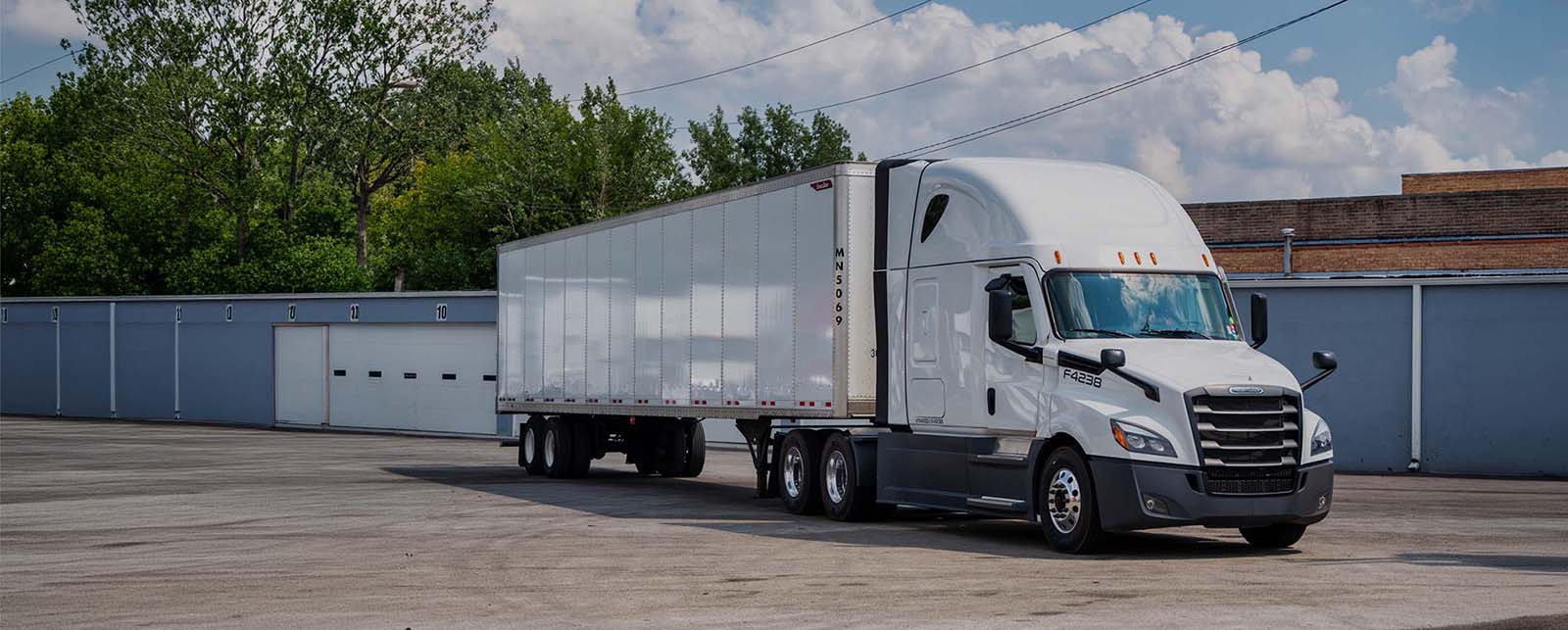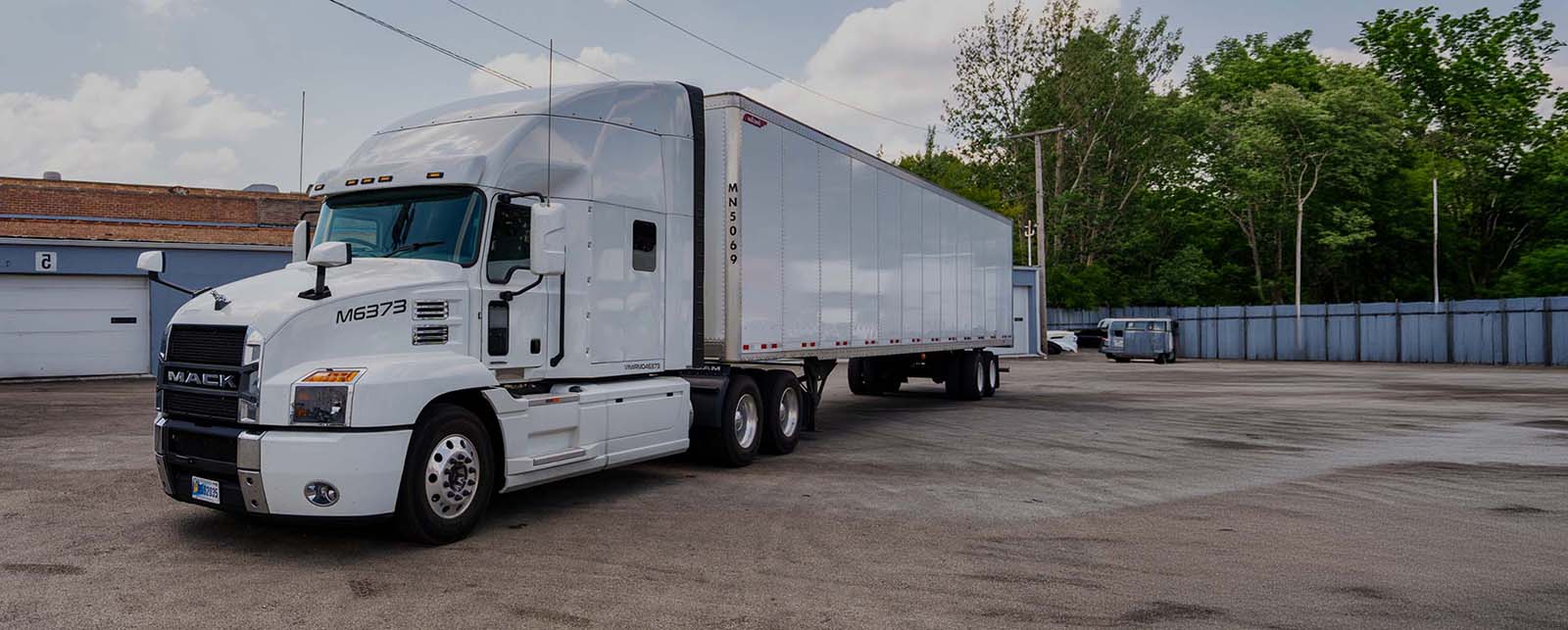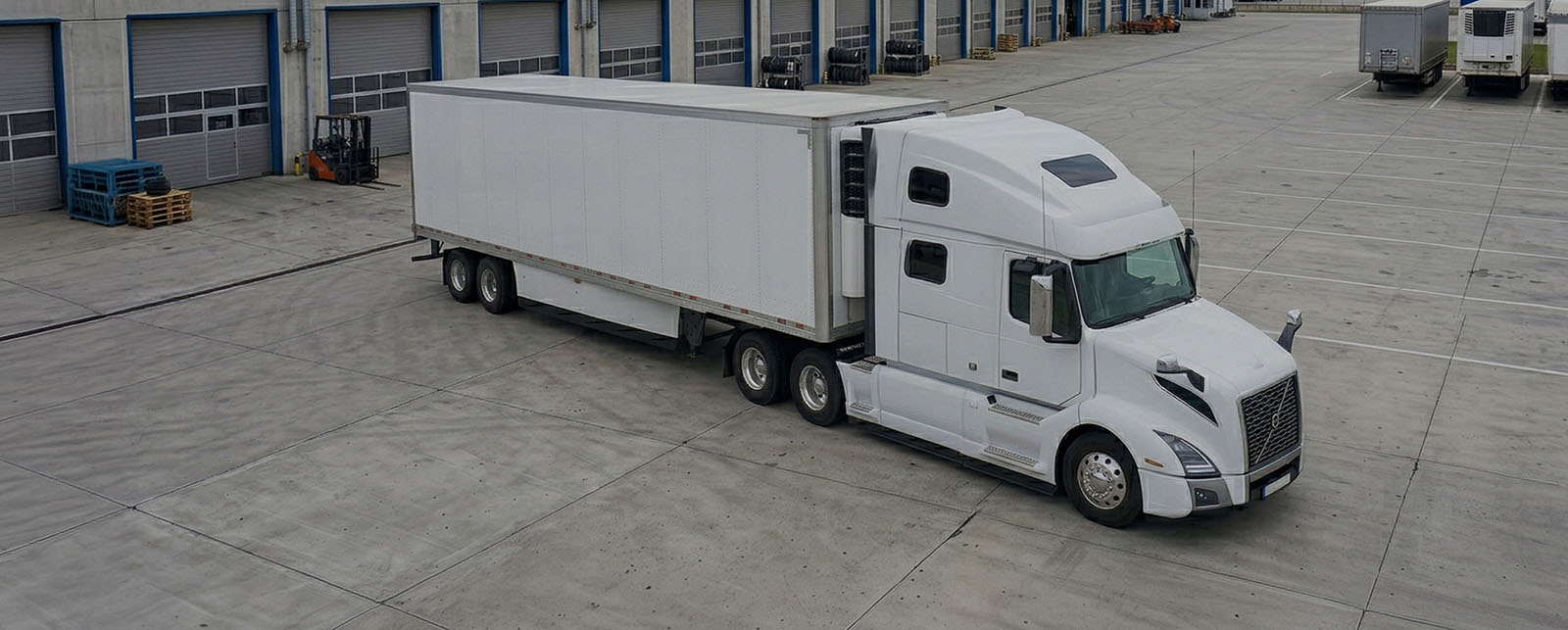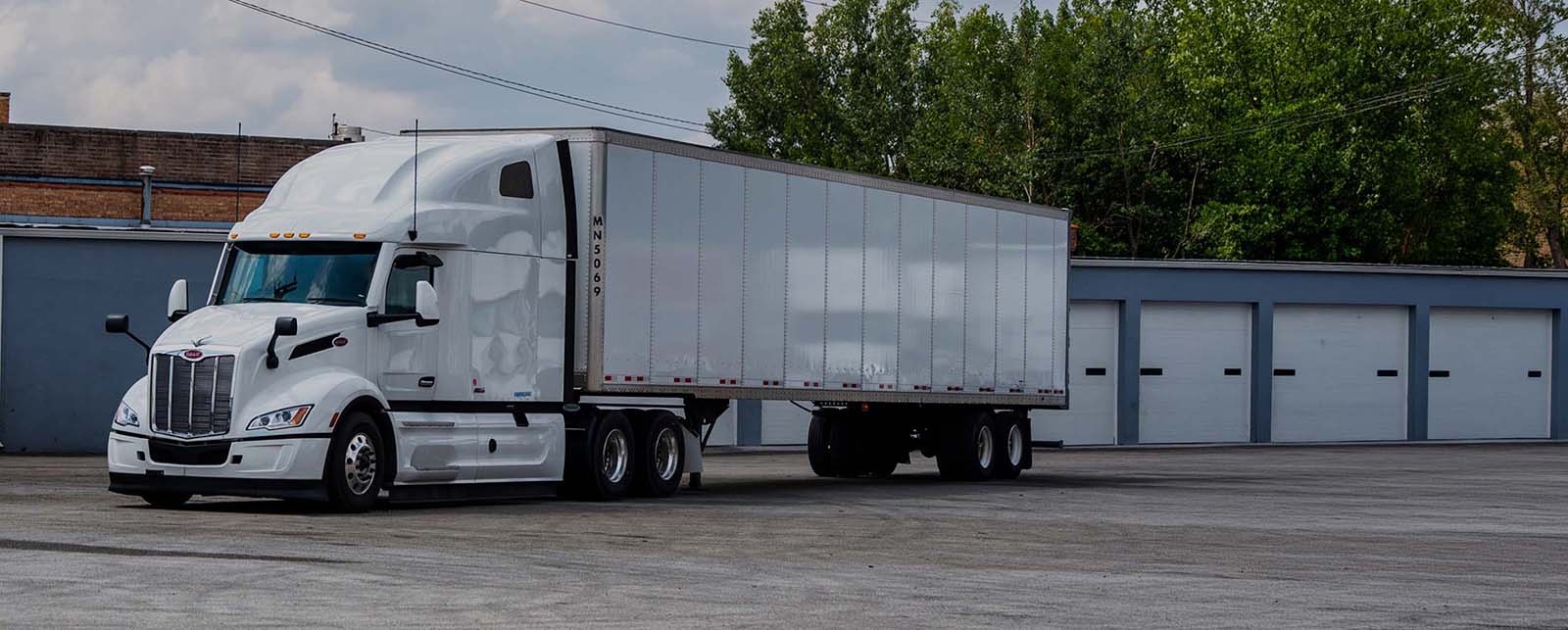
Starting a trucking career or growing your fleet is a big step, and one of the first questions most drivers ask is: how much money do I actually need upfront? If you’re looking into lease programs, understanding the truck lease down payment requirements can save you from costly surprises and help you choose the option that truly fits your budget.
At MN89 Inc, we know every driver’s path is different. Some want to get on the road as quickly as possible with minimal upfront cash, while others prefer putting more money down to keep weekly payments lower . The best choice depends on your goals, cash flow, and long-term plans. The key is understanding how lease programs work before signing anything.
What Are Lease Programs?
Lease programs are designed to help drivers get access to a truck without having to buy one outright from day one. Instead of making a full purchase upfront, you lease the truck and make weekly or monthly payments while using it to generate income. In many cases, these programs include the option to buy the truck at the end of the term.
That’s one reason lease programs have become so popular . They serve to can make truck ownership more accessible, give drivers a faster path to independence, and often come with added support like maintenance guidance, dispatch help, and back-office assistance.
Still, not all lease programs are structured the same way, and the upfront costs can vary more than many drivers expect. This is why it’s crucial that drivers understand and check the terms before taking on the first Lease Purchase Program that they stumble across. When it comes to such a big decision, the right program and the right company make all the difference.
Typical Truck Lease Down Payment Ranges
When it comes to lease programs, down payment requirements can range anywhere from zero dollars to more than $15,000. In percentage terms, most programs fall somewhere between 10% and 20% of the truck’s value, although strong applicants may qualify for less, and higher-risk files may be asked to put down more.For example, a driver with a strong credit history and steady income may qualify for a lower deposit or even a zero-down offer . On the other hand, someone with limited credit, inconsistent income, or interest in a high- mileage truck may face higher upfront requirements.
The most important thing to remember is that the down payment alone doesn’t tell the full story. A low upfront cost may sound attractive, but it could come with higher weekly payments, extra fees, or less favorable buyout terms later .
Five Key Factors That Affect Your Truck Lease Down Payment
The amount you pay upfront in lease programs usually depends on five main factors.
• Your credit score and business history.
Lenders and carriers want to understand how much risk they are taking on, so they often review your payment
history, existing debt, years in business, and overall financial stability. Drivers with stronger credit usually have access to lower deposits and more flexible lease terms.
• The truck itself.
Newer trucks with lower mileage, active warranties, and stronger resale value are often easier to finance, which
can reduce your upfront cost. Older trucks, specialty rigs, or vehicles with high mileage tend to carry more risk, which often leads to higher deposits or reserve requirements.
• The structure of the lease program.
Some carrier lease purchase plans offer lower down payments but make up for it through higher weekly deductions. Others may offer more flexibility but require personal guarantees or additional reserves. That’s why it’s important to review the full payment structure instead of focusing only on the deposit.
• The lease term and buyout structure.
Longer lease terms can reduce what you need to pay upfront and lower your weekly burden, but they can also increase your total cost over time. Understanding how the buyout price is calculated, whether tenure credits apply, and what your final ownership cost looks like is essential.
• Fees and maintenance responsibility.
Many drivers focus only on the truck payment and forget about other costs that show up at signing or during the lease. Maintenance reserves, admin fees, insurance escrows, and repair responsibilities can all affect the real amount you need to get started.
Hidden Costs to Plan For
A lease offer that looks affordable at first glance may still come with several extra costs that can impact your budget. Insurance is usually one of the biggest. Liability coverage can cost anywhere from $8,000 to $20,000 per year depending on your routes and driving record, while physical damage coverage can add several thousand more.
You may also need to pay for registration, plates, IFTA setup, maintenance reserves, and processing fees. These expenses can quickly add up, especially if you haven’t planned for them in advance.
Before signing, ask for a full breakdown of every cost involved. This should include your weekly payment schedule, maintenance reserve details, insurance requirements, and an example of how the buyout works at the end of the lease.
Ways to Reduce Your Upfront Costs
If the upfront number feels high, there are several ways to make lease programs more manageable.Improving your credit before applying can make a big difference, even if it’s just paying down balances or resolving old issues. Keeping clean and consistent bank statements can also strengthen your application.
Some drivers reduce upfront costs by using a trade-in as equity or by asking about tenure credits if they’ve already spent time with a carrier . Others explore staged deposit plans or short-term bridge financing to avoid draining their savings all at once.
The important thing is to make sure any lower upfront solution still works for your monthly cash flow. Saving money today only helps if it doesn’t create more stress later .
Comparing $0 Down vs Traditional Down Payments
To see why total cost matters, let’s look at a simple example. Imagine you’re leasing a $120,000 truck.
With a traditional 10% down payment, you would pay about $12,000 upfront and benefit from lower weekly payments over time.
With a zero-down option, you might only need to pay a small reserve upfront, but your weekly cost could increase by around $200. That may not sound like much at first, but over five years, that extra weekly payment could add up to more than $50,000.
This example shows why it’s so important to compare the total cost of ownership instead of choosing an offer just because it has the lowest upfront number .
How to Qualify for Better Lease Terms
If you want better lease terms, preparation matters. Having your paperwork ready can speed up approvals and help you negotiate more confidently.
Most lenders or carriers will want to see your CDL, a valid medical card, a clean driving record, recent bank statements, tax returns, and insurance quotes.
If you have a few months before applying, you can also improve your chances by reducing revolving debt, keeping deposits steady, checking your driving record for errors, and shopping for insurance early.
The more organized and prepared you are, the better your chances of getting a lease program that supports your long-term success.
FAQ
What is the average down payment for lease programs?
Most drivers can expect anywhere from $0 to $15,000 or more, depending on credit, truck type, and the structure of the lease.
Are zero-down lease programs a good option?
They can help drivers start faster , but they often come with higher weekly payments or additional fees, so it’s important to compare total cost.
Can I qualify with bad credit?
Yes, some lease programs work with lower credit scores, but your terms may be less favorable.
Can I negotiate my upfront costs?
In many cases, yes. Better paperwork, stronger credit, a co-signer , or a trade-in may help lower your deposit.
What hidden costs should I expect?
Insurance, maintenance reserves, admin fees, and registration are some of the most common extra costs.
Is it easier to lease a newer truck?
Usually, yes. Newer trucks are often seen as lower risk, which can make financing easier .
What should I compare before signing?
Always compare the full payment schedule, buyout terms, maintenance costs, fees, and your projected total cost over the lease term.
Understanding lease programs is one of the smartest steps you can take before committing to a truck. At MN89 Inc, we believe that the right lease should support your business goals, not create unnecessary stress. With the right information and a clear financial plan, you can choose a path that helps you grow with confidence.