If you’ve been exploring ways to grow and advance your career options in the trucking industry, you’ve probably come across lease programs. They’re often presented as a path to truck ownership without the need for a large upfront investment, and for many drivers, that’s exactly what makes them appealing.
But how do lease programs actually work in practice? What steps are involved, and what should you realistically expect along the way?
In this article, we’ll walk you through the entire process step by step – from qualifying as a driver to operating as an independent contractor , so that you can understand exactly what you’re getting into and make a confident, informed decision.
Table of Contents
What Is a Lease Program?
A lease program is a trucking arrangement that allows drivers to lease a truck while making payments toward eventual ownership. Instead of buying a truck outright, you enter into an agreement where you pay weekly installments over a set period.
During this time, you operate the truck, generate income, and gradually work toward owning the vehicle. At the end of the lease contract, assuming all terms are met, you typically have the option to buy out the truck and become a full owner operator .
This model is especially attractive for drivers who want independence but may not have the capital to purchase a truck upfront.
Step 1: Driver Qualification
Before anything else, you need to qualify for a lease program. While requirements may vary slightly between companies, most follow a similar structure.You’ll need a valid CDL (Commercial Driver’s License), along with a solid driving record. Companies want to see that you’re responsible behind the wheel and capable of handling equipment safely. Experience also plays a big role. Many programs require at least two years of driving experience, which helps ensure that drivers are prepared for the added responsibility that comes with leasing a truck.
Beyond the basics, companies are also looking for professionalism. Being reliable, communicating well, and understanding that this is more than just a driving job can set you apart.
Qualifying isn’t just about meeting minimum requirements—it’s about showing that you’re ready to take the next step in your career . If you approach the opportunity with the right mindset, you’ll be in a much stronger position from day one.
Step 2: Choosing a Truck
Once you’re approved, the next step is selecting your truck. This is a bigger decision than it might seem at first, because the truck you choose will directly impact your day-to-day experience and your long-term success.
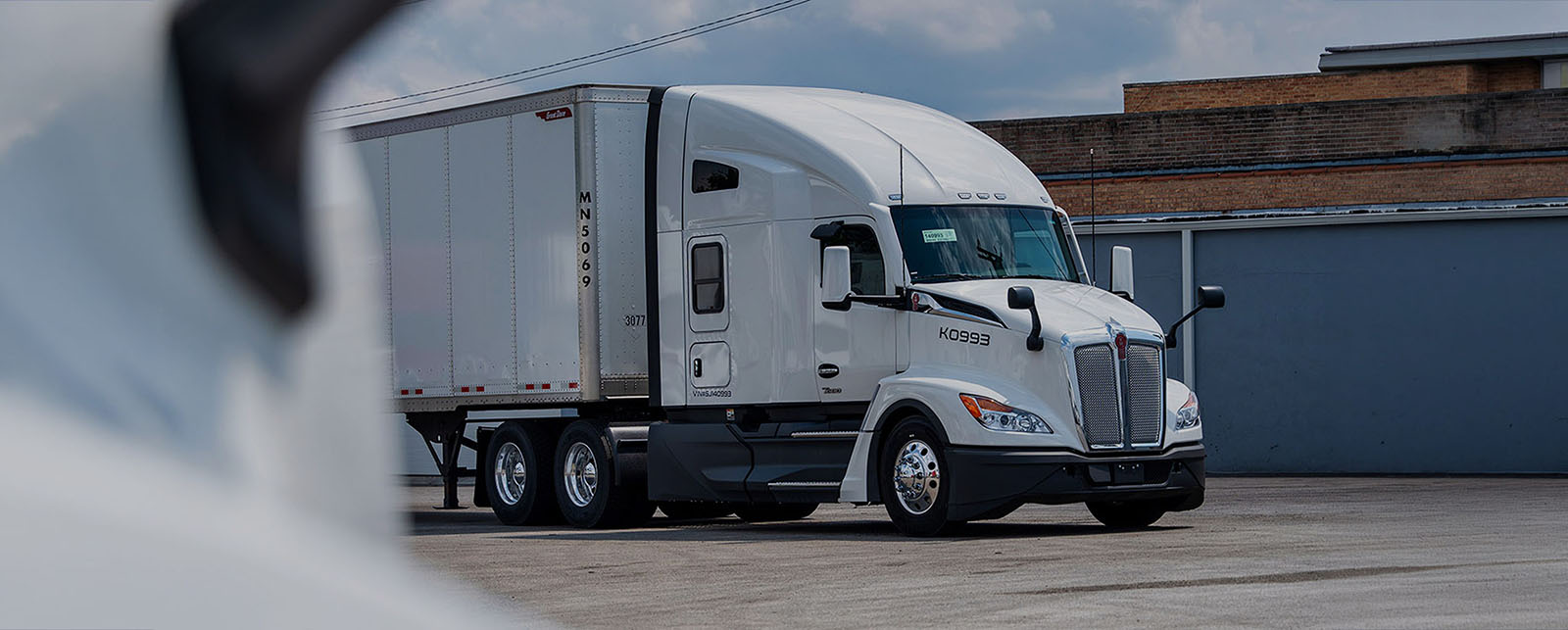
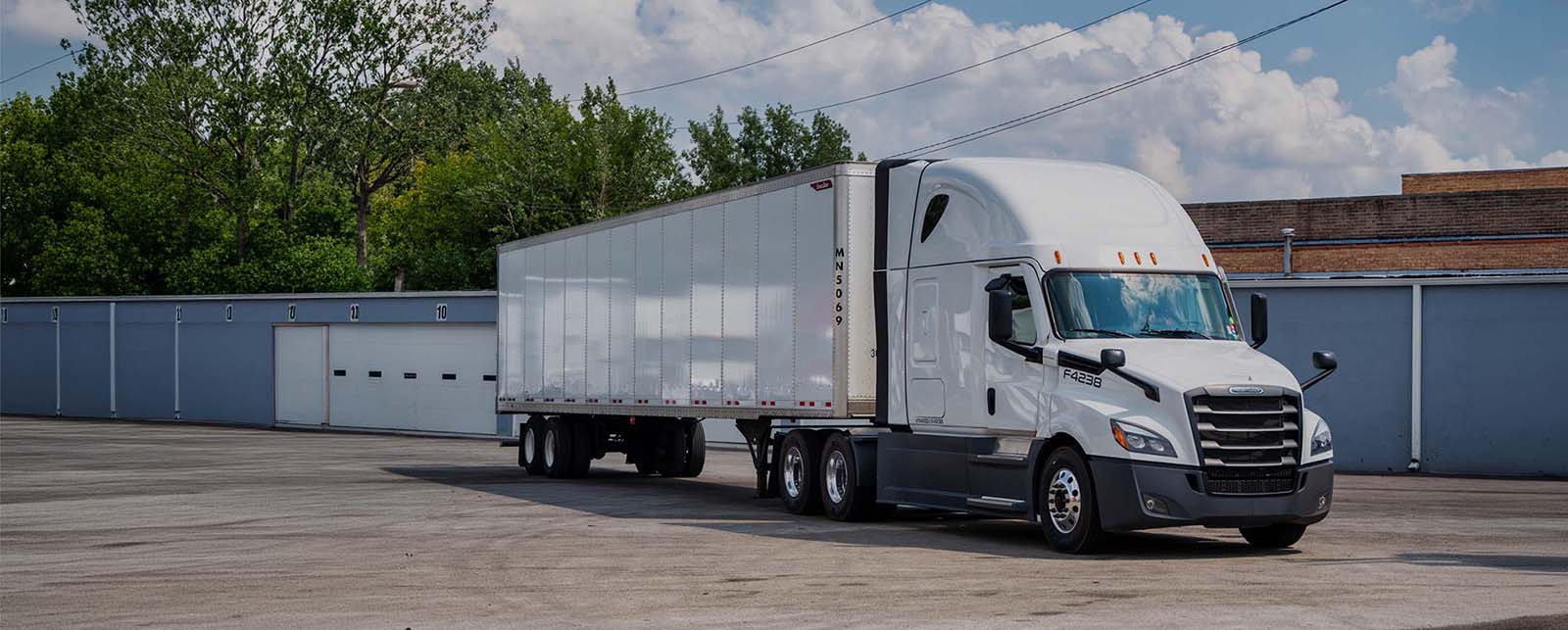
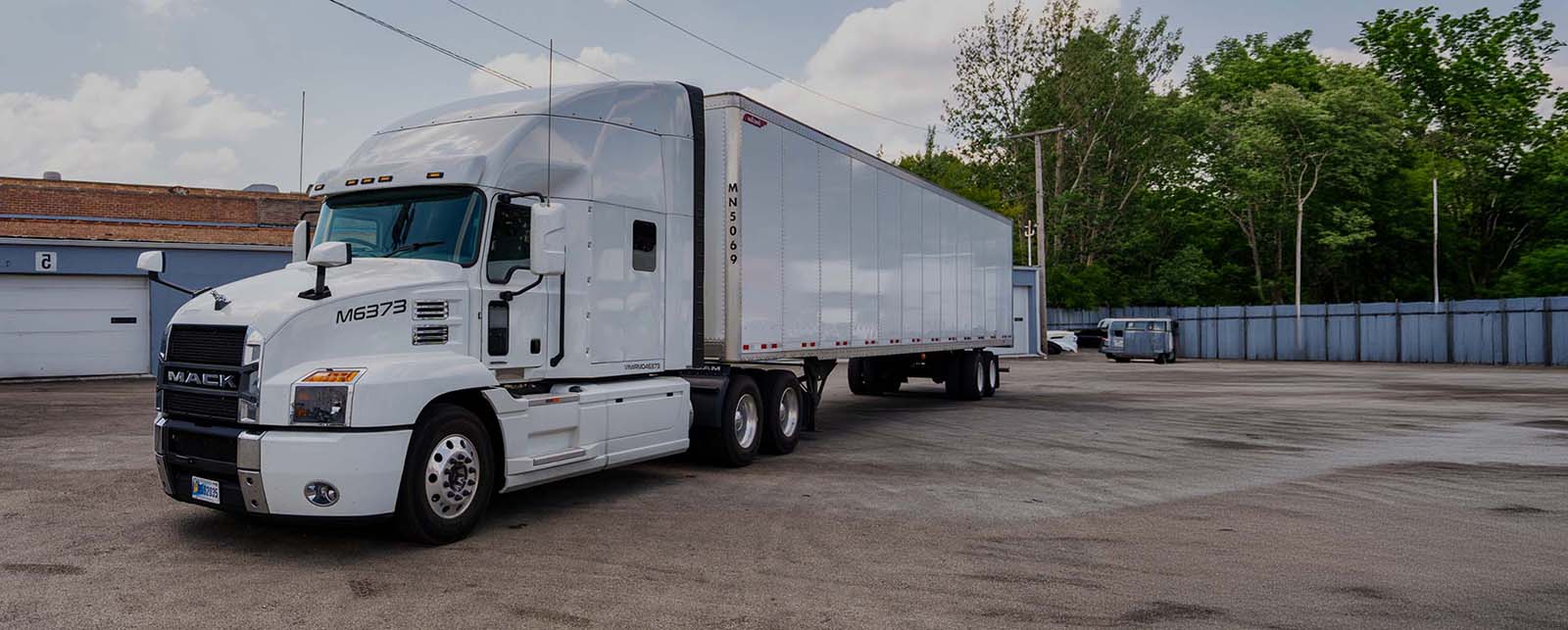
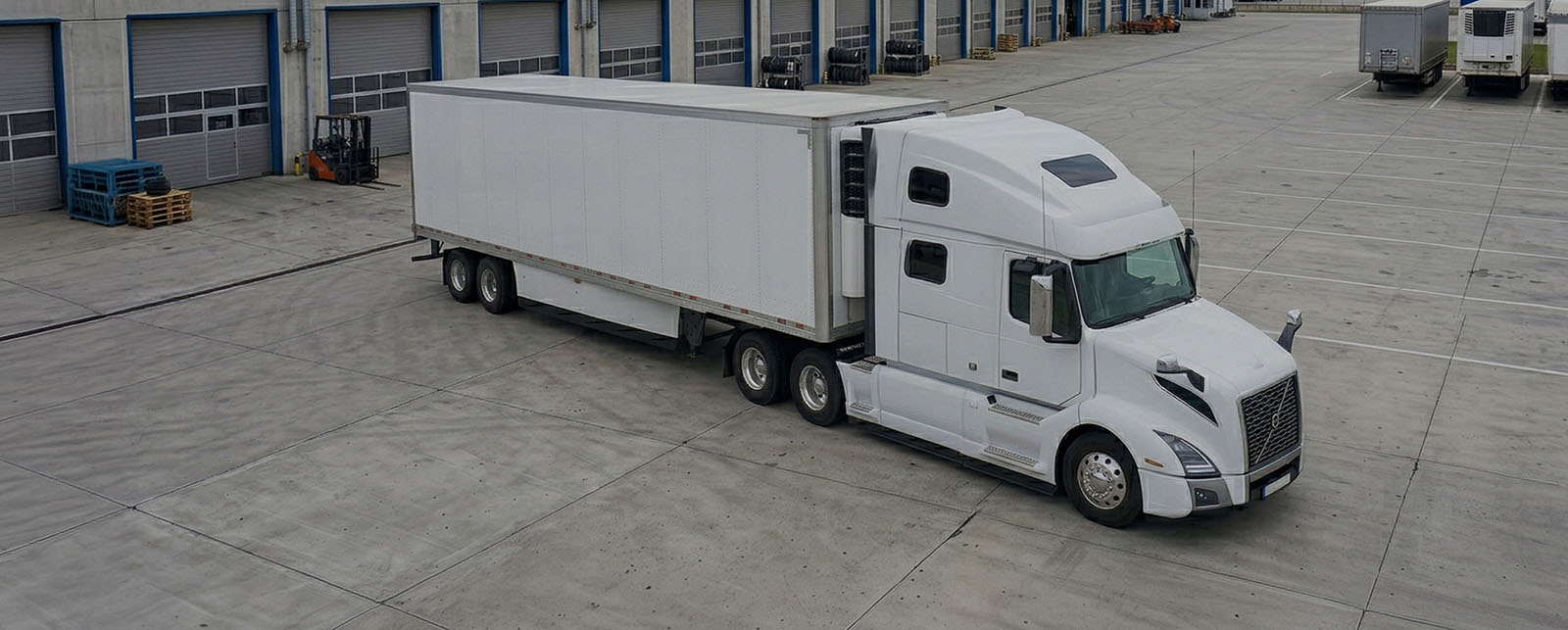
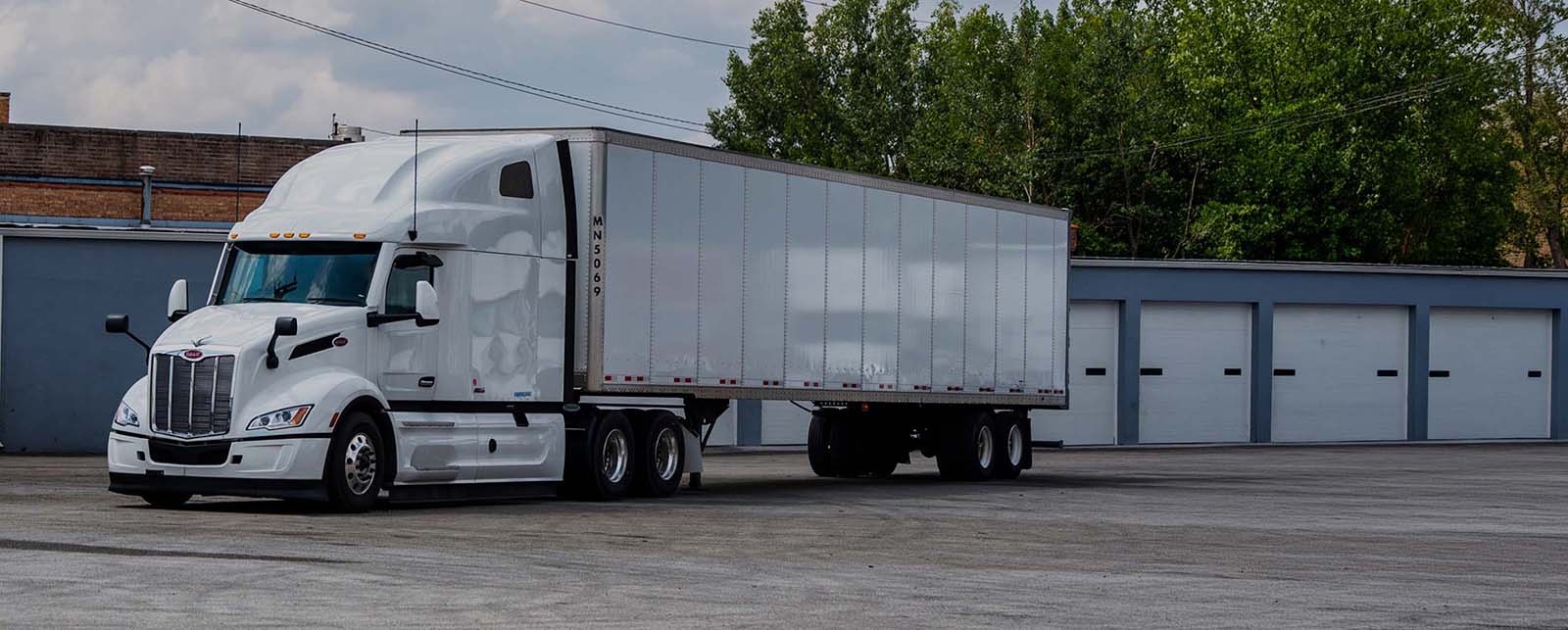
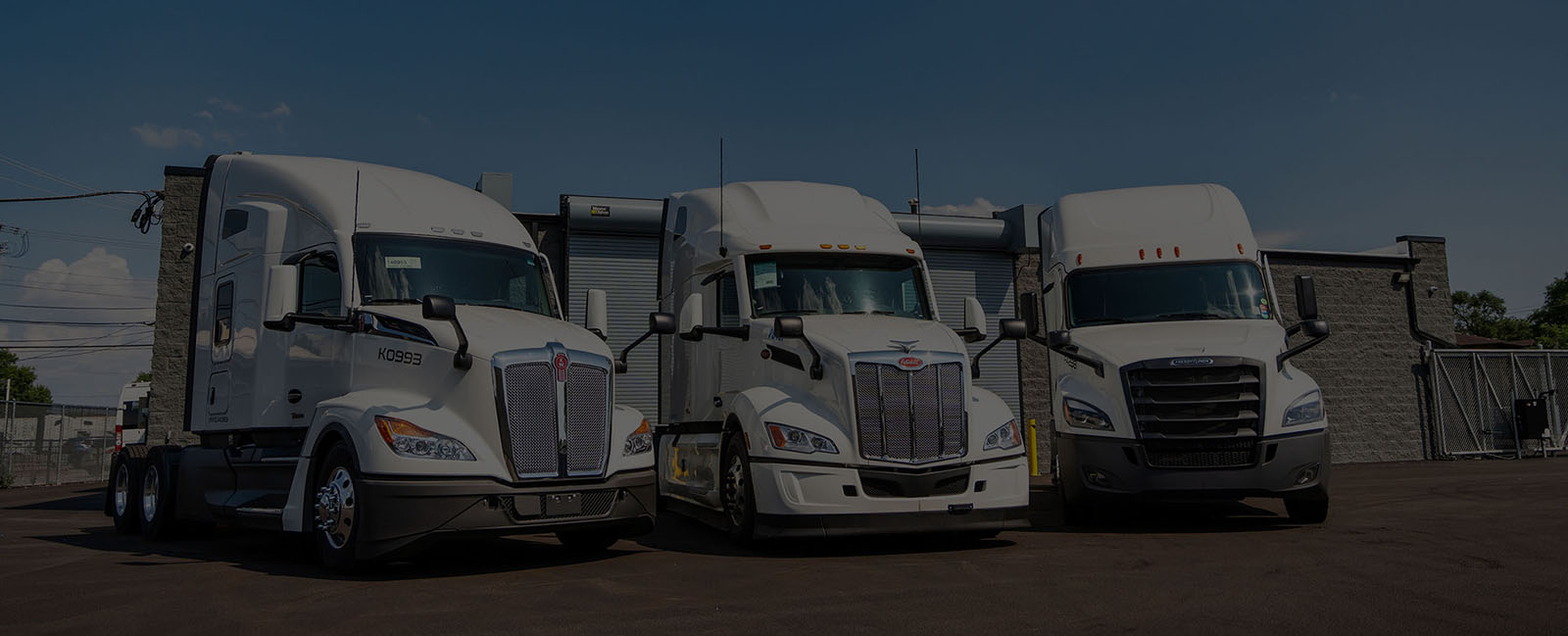
Most companies offer a selection of modern, well-equipped trucks from trusted manufacturers like Peterbilt, Kenworth, Freightliner Cascadia, Volvo VNL, International, and Mack. These trucks are designed for efficiency, comfort, and durability on long hauls.
At MN89 Inc, the focus is on providing newer , often brand-new equipment rather than older trucks. That’s an important distinction. Newer trucks typically come with fewer mechanical issues, better fuel efficiency, and lower maintenance costs. When you’re responsible for expenses, that reliability can make a big difference in your overall profitability.
Choosing a truck isn’t just about looks or brand preference—it’s about making a practical decision that supports your goals.
The right truck can make your job easier and your business more efficient. Prioritizing reliability and lower maintenance over short-term savings is often the smarter long-term move.
Step 3: Signing the Lease Agreement
This is one of the most important steps in the entire process. The lease agreement is the document that defines your financial and operational relationship with the company.
Inside the agreement, you’ll find details such as your weekly truck payments, the length of the contract, maintenance responsibilities, and the terms required to eventually purchase the truck. At MN89 Inc, lease terms typically range between 1.5 to 4 years, giving drivers flexibility depending on their goals and financial plans.
This is not the time to rush. Every detail matters. Understanding how payments are structured, what happens in case of downtime, and how the buyout process works can save you from confusion later .
Transparency is key here. A reputable program will clearly explain all terms and be open to answering your questions.
Think of the agreement as the foundation of your lease journey. The more clearly you understand it from the beginning, the smoother your experience will be moving forward.
Step 4: Operating as an Independent Contractor
After signing the agreement, you officially begin operating as a lease driver . At this stage, you’re no longer just an employee—you’re functioning more like an independent contractor .
You’ll start hauling freight and earning revenue based on the loads you complete. You can expect to receive weekly settlements that detail your earnings and any deductions. At the same time, you’ll be responsible for covering key expenses such as your truck payment, insurance, fuel, and tolls. Depending on the agreement, you may also need to account for maintenance costs, permits, and other operational fees.
This is where the business side of trucking becomes real. Managing your schedule, keeping track of expenses, and making smart decisions on the road all play a role in your success. Drivers who stay organized and pay attention to their numbers tend to perform much better over time.
It can feel like a big adjustment at first, but it also brings a new level of independence and earning potential.
Operating as an independent contractor is where effort meets opportunity. The more disciplined and aware you are, the more control you’ll have over your results.
Pros and Cons of Lease Programs
Like any career path, lease programs come with both advantages and challenges.
On the positive side, it offers a clear path to truck ownership without requiring a large upfront investment. It also provides higher earning potential compared to company driving and gives you more control over your work.
At the same time, there are risks involved. Weekly payments and operational costs don’t go away during slow periods, and income can fluctuate depending on freight availability and market conditions.
Understanding both sides helps you make a balanced decision.
Is a Lease Program Right for You?
Lease programs are not for everyone—and that’s okay.
They tend to work best for drivers who are motivated, consistent, and ready to take on more responsibility. If you’re someone who wants to grow beyond a standard driving role and eventually own your own truck, this path can make a lot of sense.
However , if you prefer stability and minimal financial risk, staying in a company driver position might be a better fit.
The key is being honest with yourself about your goals and comfort level with responsibility.
Why MN89 Inc Stands Out
Not all lease programs are created equal, and the company behind the program plays a huge role in your experience.
At MN89 Inc, the focus is on setting drivers up for long-term success. One of the biggest advantages is access to newer , often brand-new trucks, which helps reduce maintenance issues and unexpected downtime.
The program is designed with transparency in mind, offering clear terms and realistic expectations so drivers know exactly what they’re stepping into. Combined with consistent freight and ongoing support, this creates an environment where drivers can grow with confidence.
FAQ
1. How long do lease programs usually last?
Most programs range from 1 to 5 years. At MN89 Inc, contracts typically last between 1.5 and 4 years.
2. Do I need money upfront to join a lease program?
In most cases, the upfront cost is significantly lower than buying a truck outright, which is one of the main advantages.
3. What happens at the end of the lease?
If all terms are met, you usually have the option to buy the truck and become a full owner operator .
4. Are lease programs risky?
They can be, especially if you’re not prepared for fluctuating income and ongoing expenses. Proper planning is essential.
5. Can I choose my own loads?
This depends on the company, but many programs offer some level of flexibility or dispatch support.
6. What expenses should I expect?
Common expenses include truck payments, fuel, insurance, maintenance, tolls, and permits.
7. Is a Lease Program better than Company Driving?
It depends on your goals. Lease Programs offer more earning potential and independence, but also come with more responsibility and risk.