If you’ve spent any time looking into becoming an owner operator, you’ve probably asked yourself one question sooner or later: “Should I buy or lease a truck?” It sounds like a simple question, but the answer depends on much more than the price of the truck sitting in front of you.
When you’re comparing lease vs. buy truck options, you’re really comparing two different approaches to running a trucking business. Buying a truck means putting more capital into an asset that you ultimately own. Leasing can reduce the amount of money you need upfront while giving you access to equipment and a structured payment arrangement. Neither option is automatically better for every driver. The right choice depends on your finances, experience, business goals, tolerance for risk, and how long you plan to stay in the trucking industry.
And yes, there is a third option that sits somewhere between the two: lease programs. Let’s break down how these options compare and what you should consider before making a decision.
Table of Contents
Lease vs. Buy: What's the Difference?
When drivers compare lease vs. buy truck options, the most important thing to understand is that there are two different ways to become an independent truck owner: buying the truck outright or entering a lease program and making payments toward ownership. When you buy a truck outright, you become the owner from the beginning. You are responsible for the purchase price and all of the costs associated with operating and maintaining the truck, but you also have complete ownership of the equipment and the freedom that comes with it.
A lease program works differently. Instead of paying the full purchase price upfront, you make regular payments toward the truck while operating it and generating revenue. The goal of the program is to give you a structured path toward becoming the owner of the truck without requiring you to have enough capital to purchase the equipment outright on day one. This is an important distinction because when people hear the word “lease,” they sometimes assume they’re simply renting a truck and will eventually have to return it. That’s not how a lease program works.
With a lease arrangement, the payments are structured toward truck ownership according to the terms of the agreement. You are not simply paying for temporary access to someone else’s truck. Before entering any lease agreement, however, you should always understand the exact terms, including the payment schedule, maintenance responsibilities, insurance requirements, and what is required to complete the path to ownership.
Capital Requirements
One of the biggest reasons drivers consider leasing is the amount of capital required to get started. Buying a semi truck can require a significant upfront investment, particularly if you’re purchasing a newer truck. Even when financing is available, you may need money for a down payment, taxes, registration, insurance, maintenance reserves, and other startup expenses. And that’s before the truck ever leaves the yard. Leasing can lower the initial financial barrier because you’re generally not purchasing the truck outright on day one. Instead, you make payments according to the terms of your lease agreement. This can be particularly attractive to experienced drivers who have the ability to generate revenue but don’t necessarily want to put a large amount of cash into equipment immediately. However, lower upfront costs should never be confused with lower overall costs automatically. A lease is still a financial commitment, and the weekly or monthly payment needs to make sense alongside your expected revenue, fuel costs, insurance, maintenance, and other operating expenses. The goal isn’t simply to find the cheapest way to get a truck. The goal is to find a payment structure that your business can realistically support.
Maintenance Responsibilities
Maintenance is one of the biggest considerations when comparing truck leasing vs. ownership. When you own a truck, maintenance is ultimately your responsibility. You have control over where the truck is serviced, what parts are used, and when certain repairs are performed, but you also have to pay the bills. And anyone who has operated a semi knows that repairs don’t always arrive according to your budget. A truck can be perfectly healthy one week and suddenly decide that an expensive component needs attention the next. Depending on the lease agreement, maintenance responsibilities can work differently. Some programs include certain maintenance-related services, while others place most or all maintenance expenses on the driver. This is why reading the actual lease agreement is critical. If you’re considering a lease-purchase program, don’t just ask:
“What’s my truck payment?”
Ask:
“What exactly am I responsible for?” Understanding maintenance requirements, warranty coverage, breakdown procedures, and repair responsibilities can make a major difference in your actual operating costs.
Flexibility and Risk
Buying gives you ownership, but ownership also means accepting more responsibility. If you purchase a truck and the market slows down, your truck payment doesn’t suddenly disappear. If the truck loses value faster than expected, that’s your problem. If you decide you want to change equipment, you have to deal with selling or trading the truck. Leasing can provide a different type of flexibility, depending on the structure of the agreement. For drivers who don’t want to commit a large amount of capital to equipment or who prefer operating newer trucks, leasing can make sense. There is also a risk that comes with leasing, though. A lease agreement is still a contract. You have to understand the payment structure, mileage requirements if applicable, maintenance obligations, insurance requirements, end-of-term conditions, and what happens if your circumstances change. The smartest drivers don’t look at a lease and think, “This is an easy way to get a truck.” They look at it and ask: “Does this agreement make sense for my business?”
Long Term Earning Potential
This is where the conversation gets interesting. Buying a truck can potentially provide greater long-term financial benefits because, once the financing is paid off, you own an income-producing asset. A paid-off truck can significantly change your cost structure. However, getting to that point requires surviving everything that happens along the way: payments, repairs, depreciation, downtime, insurance, tires, maintenance, and changes in freight rates. A lease-purchase arrangement can also offer a path toward ownership without requiring the driver to purchase the truck outright at the beginning. For a driver who wants to eventually own equipment but doesn’t have the capital or desire to purchase a truck immediately, this can be an attractive middle ground. But the numbers matter. A driver should compare the total expected cost of the agreement, not just the weekly payment. That means looking at the payment, insurance, maintenance, fuel, taxes, registration, downtime, and other operating expenses.
Who Benefits Most From Leasing?
Leasing can make sense for experienced drivers who:
• Want access to newer equipment
• Don’t want to make a large upfront purchase
• Prefer predictable payment structures
• Want the opportunity to work toward truck ownership
• Have enough experience to manage their own operating costs
• Understand how to budget for slower weeks and unexpected expenses
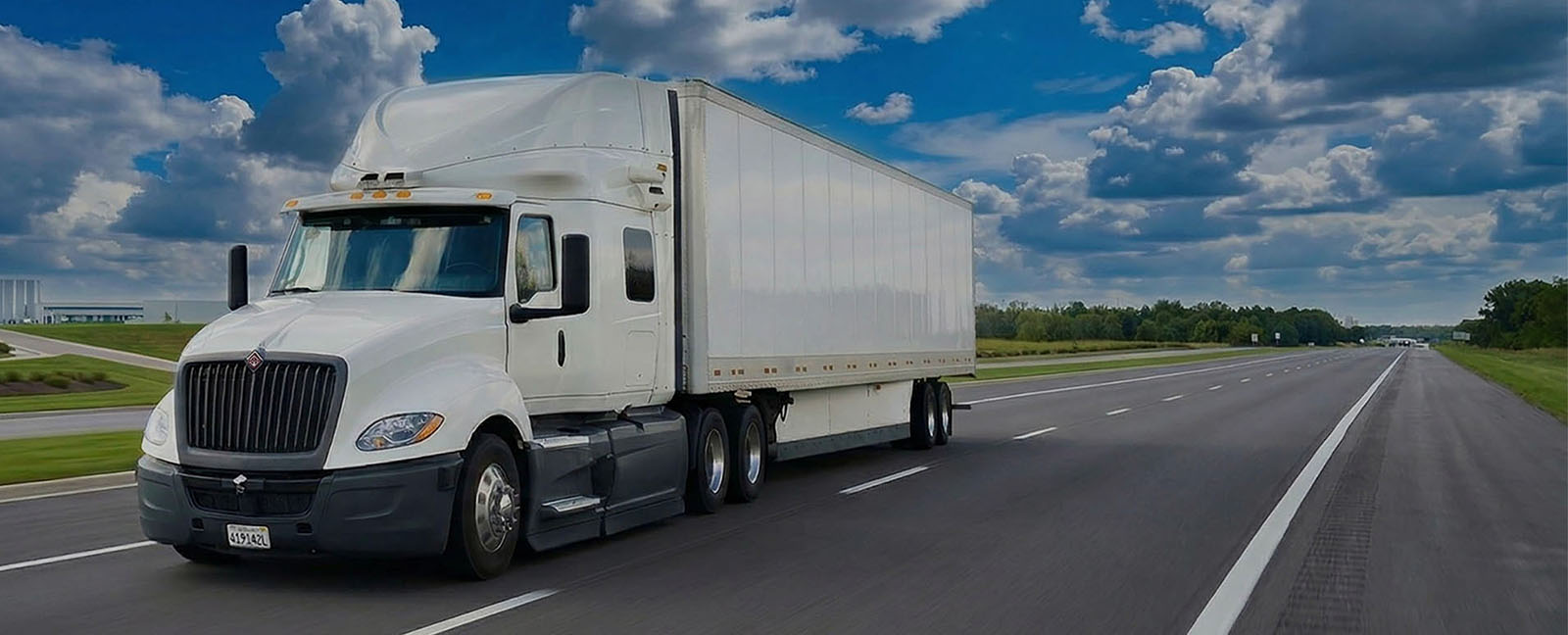
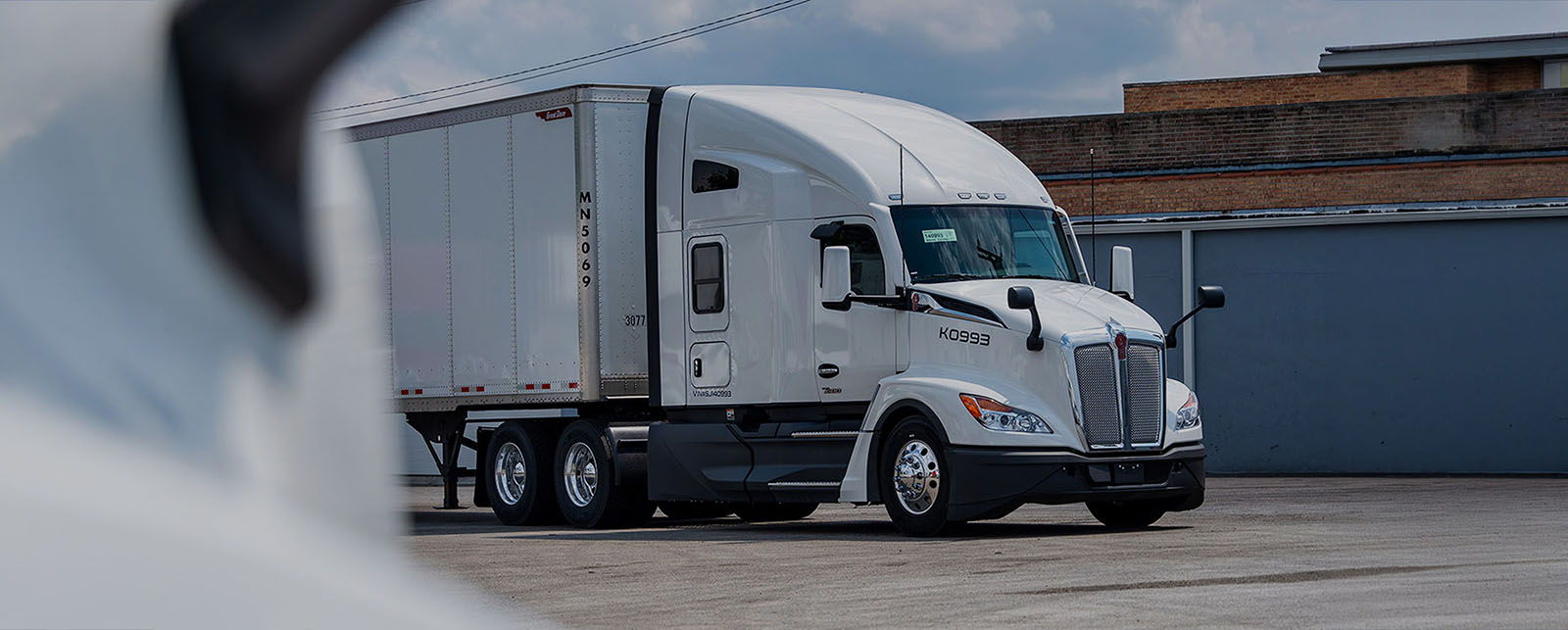
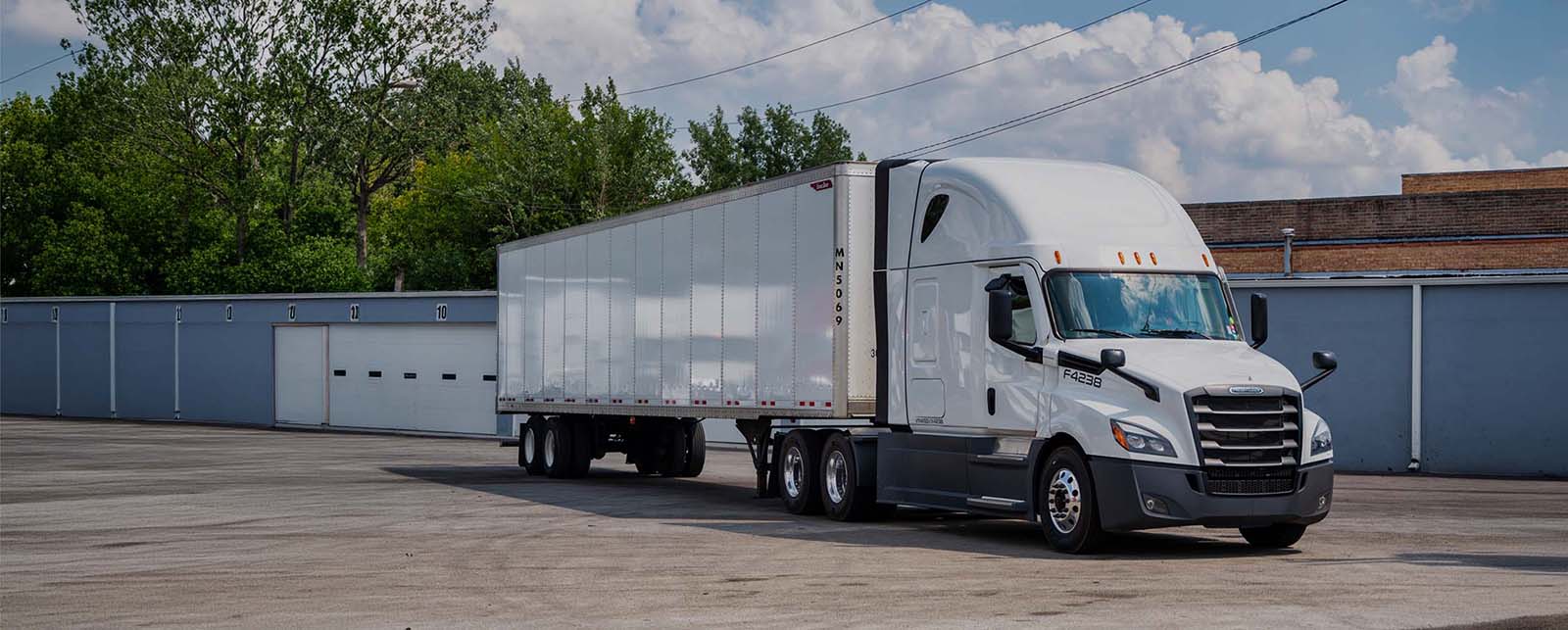
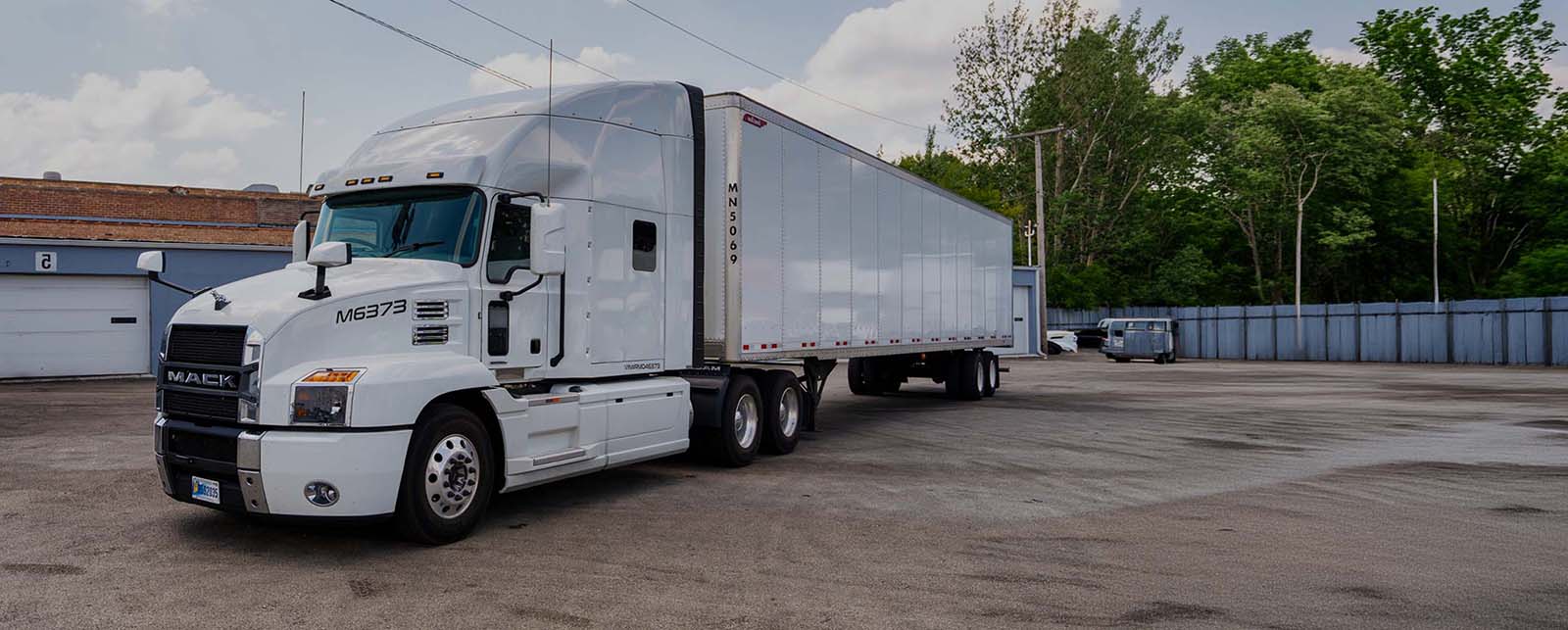
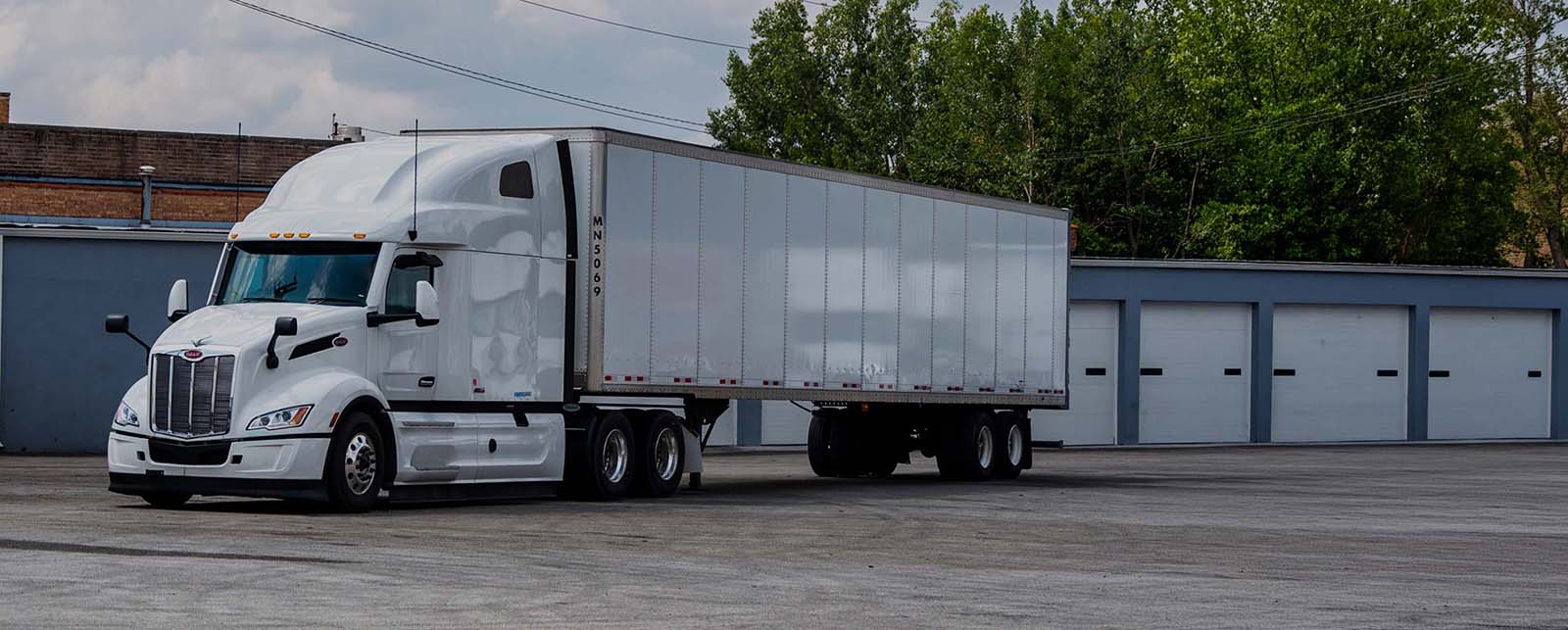
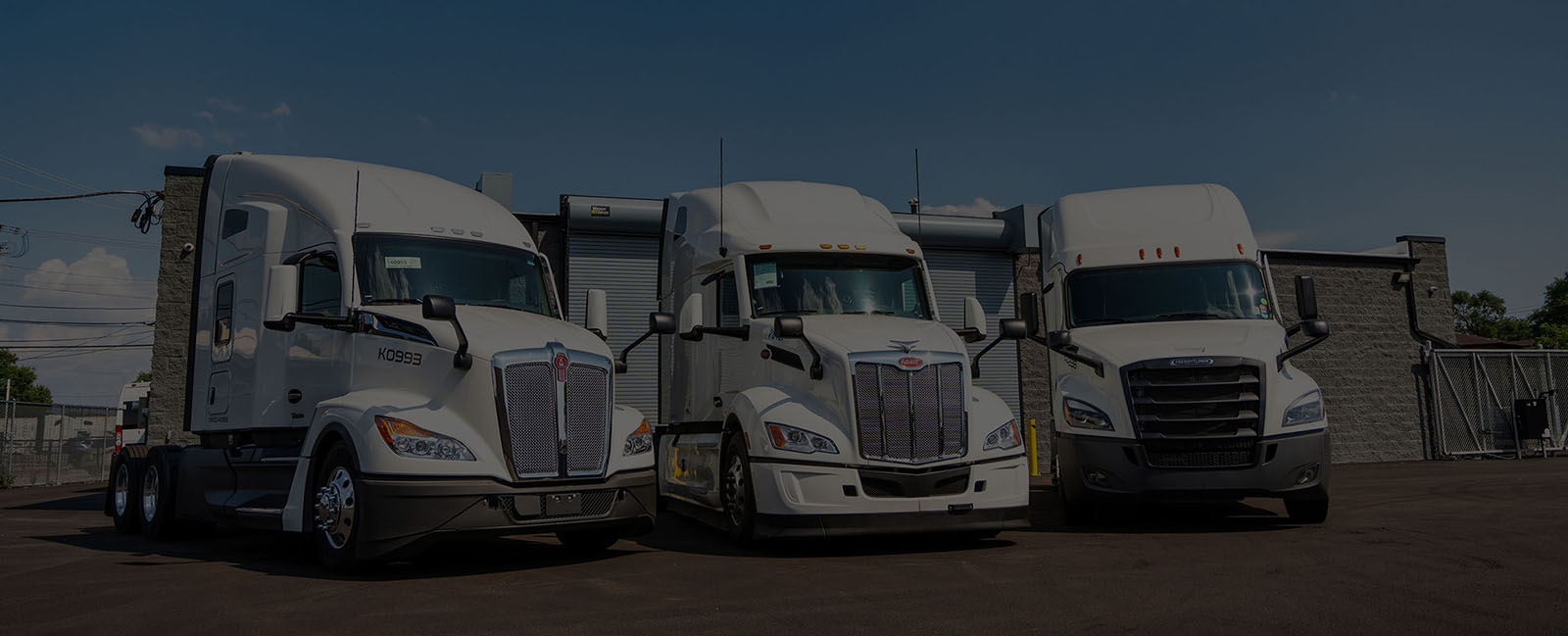
For these drivers, a lease-purchase program can provide an opportunity to move toward greater independence without immediately making the same capital commitment required to purchase a truck outright. At MN89, this is one of the reasons we put a strong emphasis on our lease-purchase options. Our fleet includes brand-new 2026 Peterbilt 579 Ultraloft trucks, along with equipment from manufacturers such as Peterbilt, Kenworth, Freightliner, Volvo, International, and Mack. For a qualified driver, having access to newer equipment can mean starting with a truck that is ready to work rather than beginning the journey with an older truck and wondering which major repair is going to introduce itself first.
Who Benefits Most From Buying?
Buying may be the better choice for drivers who:
- Have significant capital available
- Want complete ownership of their equipment
- Plan to operate the truck for many years
- Want the flexibility to sell or trade the truck whenever they choose
- Are comfortable managing maintenance and repair expenses
- Want to build equity in a trucking asset
For an established owner-operator with strong cash reserves and a long-term business plan, purchasing can be an excellent strategy. The important thing is not to buy simply because ownership sounds better. A truck is a business asset, but it is also a substantial financial responsibility.
Lease vs. Buy: Real-World Examples
Let’s look at two simplified examples.
Driver A: The New Owner-Operator
John has several years of driving experience and wants to become more independent. He has enough savings to cover his operating expenses and some emergency reserves, but he doesn’t want to put a large amount of money into a down payment on a truck. A lease-purchase program gives John access to newer equipment while allowing him to keep more of his available capital available for fuel, operating expenses, and emergencies. For John, leasing may be the more practical starting point.
Driver B: The Established Owner-Operator
Mike has been running his own trucking business for years. He has substantial savings, understands his operating costs, and has a strong customer and freight network. He’s comfortable taking responsibility for maintenance and wants to build equity in his equipment. For Mike, purchasing a truck may make more sense because his financial position allows him to take on the larger initial investment and long-term ownership responsibility. Neither driver is making the “wrong” choice. They’re simply in different financial situations.
So, Should I Buy or Lease a Semi Truck?
The answer depends on your goals. Have significant capital available • Want complete ownership of their equipment • Plan to operate the truck for many years • Want the flexibility to sell or trade the truck whenever they choose • Are comfortable managing maintenance and repair expenses • Want to build equity in a trucking asset • If your priority is building long-term ownership and equity, buying may be the better fit. If your priority is accessing newer equipment while limiting the initial capital commitment, leasing may be worth considering. And if you want to work toward ownership while operating under a structured lease arrangement, a leasepurchase program may offer the middle ground you’re looking for. The most important thing is to look beyond the advertised weekly payment. Ask what you’re actually paying. Ask what is included. Ask what you’re responsible for. Ask what happens when something breaks. Ask what happens at the end of the agreement. And most importantly, make sure the numbers work for the amount of revenue your truck is realistically capable of generating. At MN89, we believe lease-purchase programs can be a powerful opportunity for experienced drivers who want more control over their careers and access to newer equipment without purchasing a truck outright on day one. But a truck is only a good business opportunity when the numbers make sense. Don’t choose between leasing and buying because someone told you one is always better. Choose the structure that fits your experience, finances, goals, and appetite for risk. Because the best truck isn’t necessarily the one you own today. It’s the one that helps you build the business you want tomorrow.
FAQ
Is it better to lease or buy a semi truck?
There is no single answer that works for every driver. Buying a semi truck can be a good option if you have sufficient capital, want full ownership, and plan to operate the truck for many years. Leasing may be a better fit if you want access to newer equipment without making a large upfront investment. A lease-purchase program can provide another option for experienced drivers who want to work toward ownership while operating under a structured lease agreement.
What is the difference between truck leasing and ownership?
When you buy a truck, you are purchasing an asset that you can eventually own outright once any financing is paid off. You are also responsible for the truck’s depreciation, maintenance, repairs, and other ownership costs. With a lease, you are paying for the right to use the truck according to the terms of your agreement. A leasepurchase program is designed to combine the use of the truck with a path toward ownership, depending on the specific terms of the program.
Is leasing a semi truck cheaper than buying one?
Not necessarily. Leasing can require less money upfront, but that doesn’t automatically mean the total cost will be lower than purchasing. When comparing a lease vs. buy truck decision, you should look at the entire financial picture, including payments, insurance, maintenance, repairs, taxes, registration, downtime, and the eventual value of the truck. A lower initial cost is helpful, but the agreement still needs to make sense over its full term.
What are the advantages of a lease-purchase trucking program?
A lease-purchase program can give experienced drivers an opportunity to operate newer equipment without purchasing the truck outright at the beginning. Depending on the program, drivers may also have access to structured payments and a potential path toward ownership. For drivers who want more independence but aren’t ready to make a large upfront investment, this can be an attractive alternative to traditional truck financing.
Who should consider buying a semi truck?
Buying may be a good option for established owner-operators who have sufficient savings, understand their operating costs, and want to build equity in their equipment. Drivers who plan to keep their truck for a long time and are comfortable taking responsibility for maintenance and unexpected repairs may also benefit from ownership.
Who should consider leasing a semi truck?
Leasing may be worth considering for experienced drivers who want access to newer equipment while avoiding the larger upfront capital requirement associated with purchasing. It can also appeal to drivers who want to work toward greater independence or eventual ownership through a lease-purchase program. However, drivers should carefully review the complete agreement and make sure the weekly or monthly payment fits comfortably within their expected revenue and operating expenses.
How do I decide whether I should buy or lease a semi truck?
Start by looking at your financial position, experience, business goals, and how much risk you are comfortable taking. Compare the total cost of buying with the total cost of leasing rather than looking only at the truck payment. If your goal is long-term ownership and you have the capital to support it, buying may be the right choice. If you want newer equipment with a lower initial capital requirement, leasing or a lease-purchase program may make more sense. Whatever option you choose, take the time to understand the numbers and the agreement before signing anything. The best decision is the one that allows you to operate profitably while moving you closer to your long-term trucking goals.