Choosing a trucking lease program is a big decision, especially for drivers who want more control over their income without immediately purchasing a truck outright. While many programs advertise attractive weekly earnings, low upfront costs, or newer equipment, the real value becomes clear only when you understand the contract, operating expenses, freight opportunities, and support available to you. The best truck lease program is not necessarily the one promising the biggest paycheck. It is the one that offers transparent terms, dependable support, and a realistic opportunity to earn money while understanding exactly what you are responsible for. Here are nine trucking lease features every driver should evaluate before signing an agreement.
Table of Contents
1. Transparent Contracts With No Surprises
A good lease purchase program or trucking lease arrangement should begin with a contract you can understand. Before signing anything, make sure you know how revenue is divided, which expenses are deducted, what insurance covers, and whether there are additional fees, deposits, or maintenance obligations. Pay particular attention to the difference between gross revenue and the amount you actually receive. Ask for a clear explanation of truck payments, trailer rental, fuel expenses, insurance, and any escrow or security deposit requirements. A trustworthy carrier should be willing to explain the agreement and give you enough time to review it. If important costs remain unclear or verbal promises do not match the written terms, take a step back before committing.
2. A Fair Down Payment Structure
Upfront costs can make it difficult for drivers to enter a lease program, particularly when they need to keep money available for everyday expenses and unexpected situations. Look for a program with manageable starting requirements and a clear explanation of how deposits and other initial payments work. A $0-down offer can be attractive, but it is still important to check for weekly deductions, deposits, and other financial obligations that may apply after you start driving. At MN89 Inc., the lease program offers a $0 start, helping eligible drivers get started without a traditional upfront truck down payment. Drivers should still review the complete payment structure to understand their ongoing responsibilities
3. Reliable Freight Opportunities
Even a competitive lease agreement cannot compensate for a lack of suitable freight. Consistent load opportunities are important because your earnings depend on more than the percentage of revenue you receive. When comparing programs, ask about typical weekly mileage, available freight, average load rates, and how loads are assigned. Find out whether dispatch considers your preferred lanes and schedule or whether you are expected to accept every available load. MN89 Inc. offers no-forced-dispatch arrangements, giving drivers greater control over the loads they choose. The goal is to find freight that makes financial sense while accounting for distance, fuel, delivery appointments, and the possibility of empty miles.
4. New and Well-Maintained Equipment
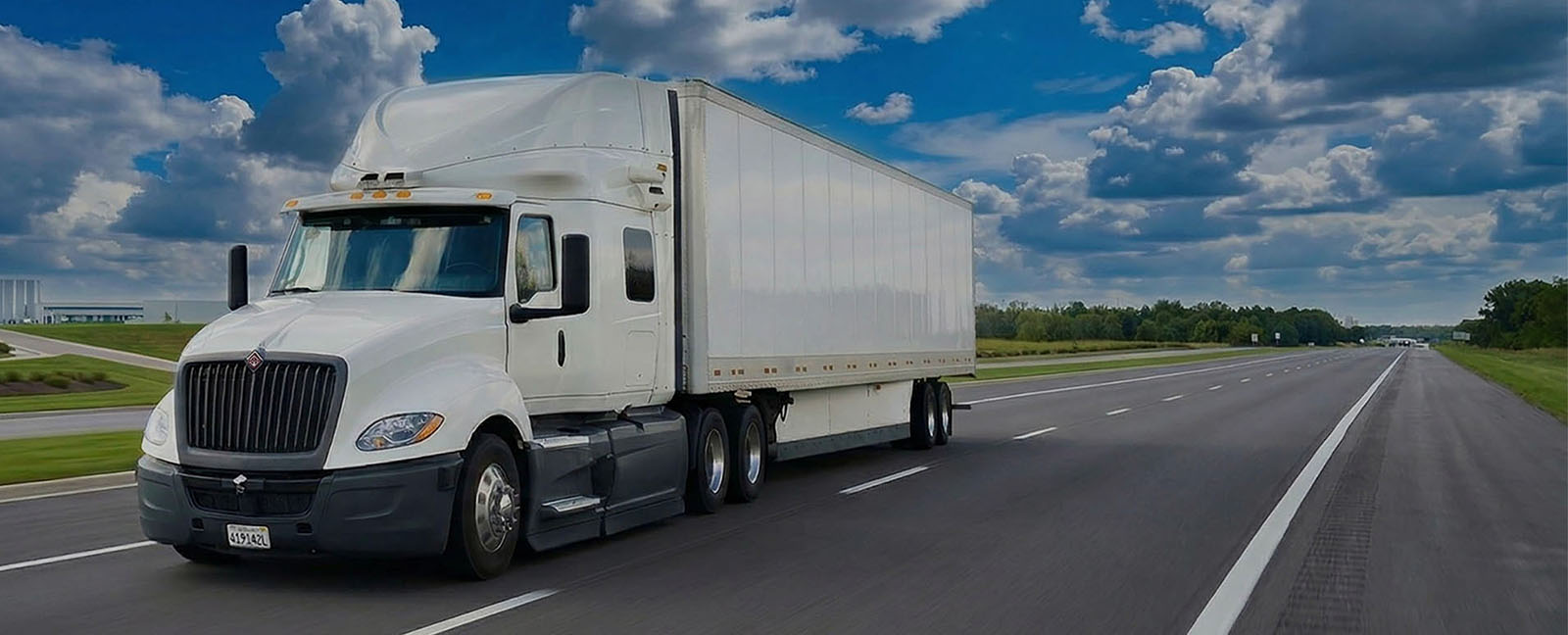
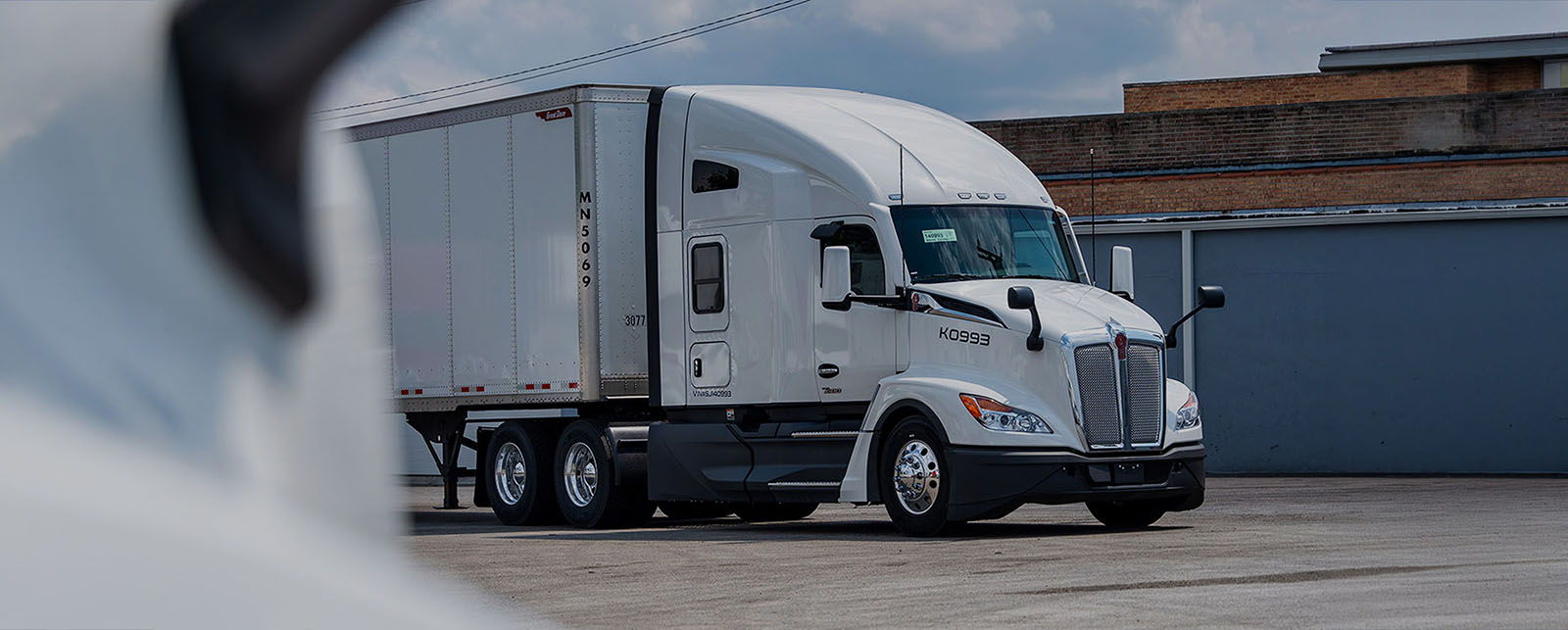
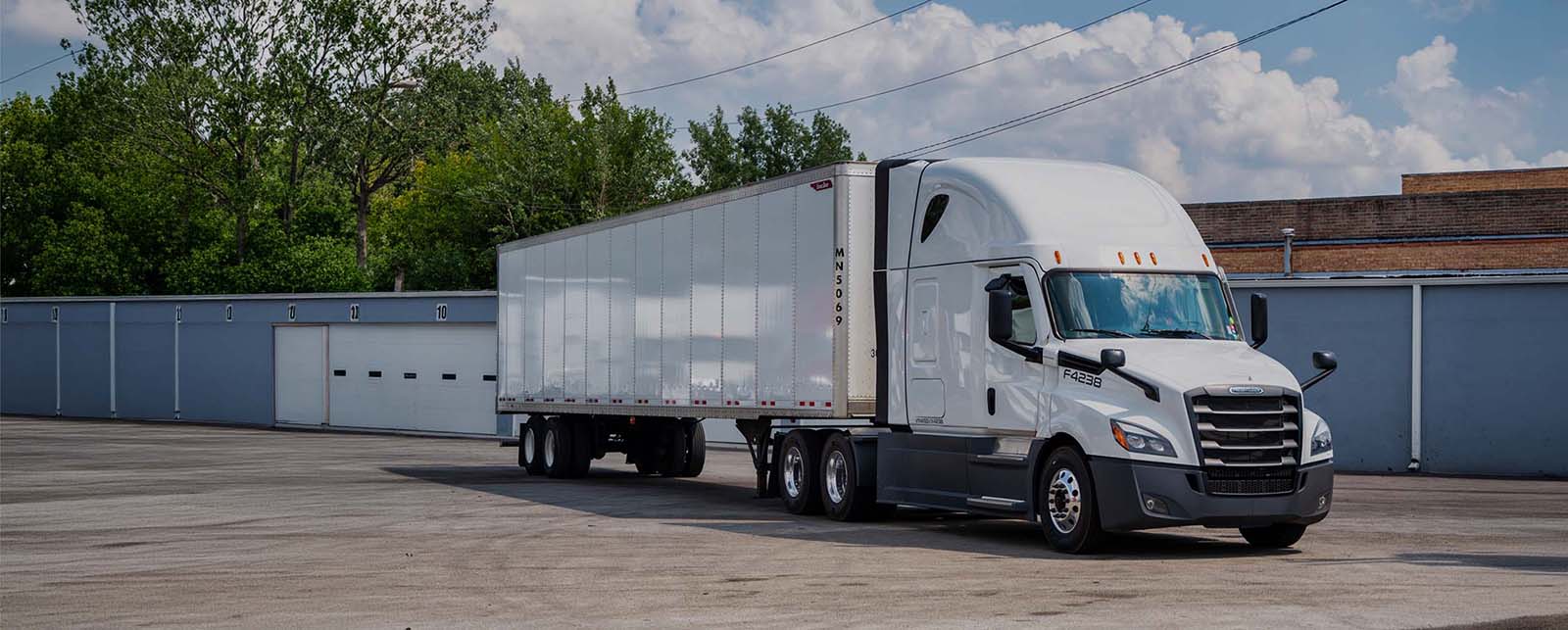
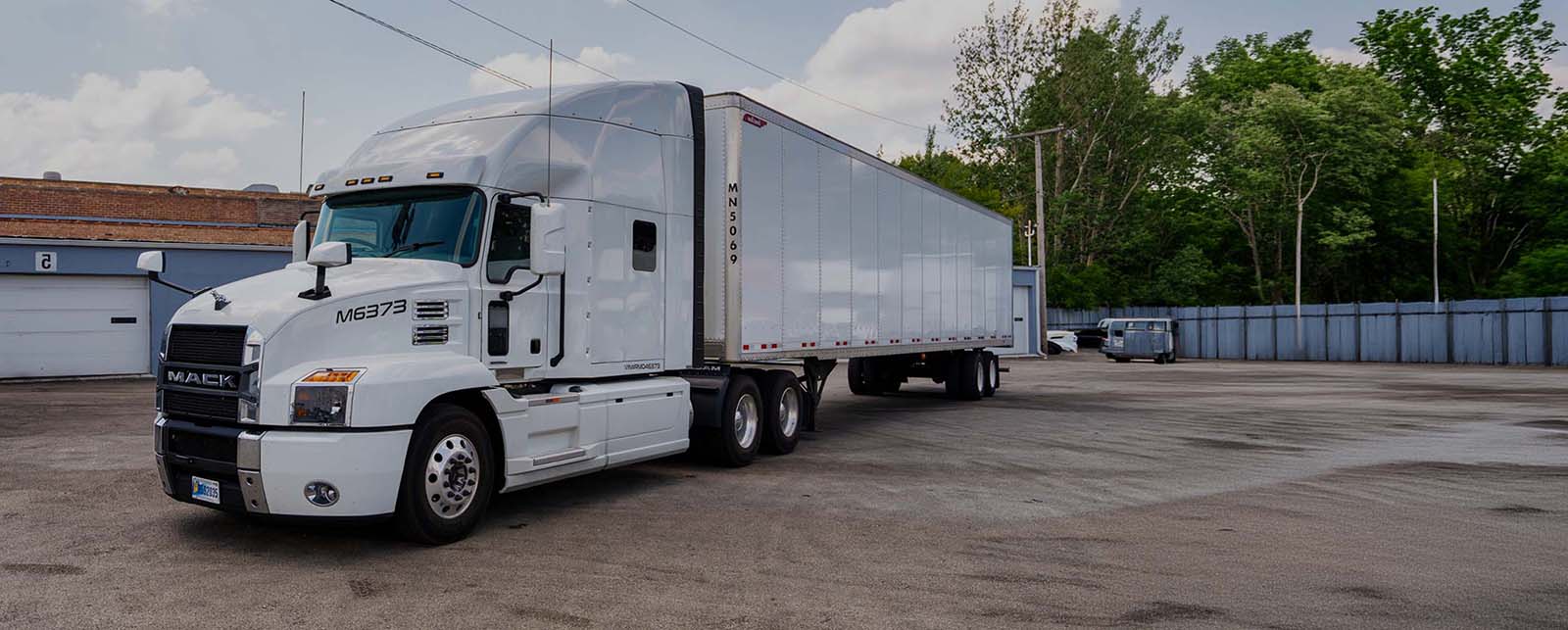
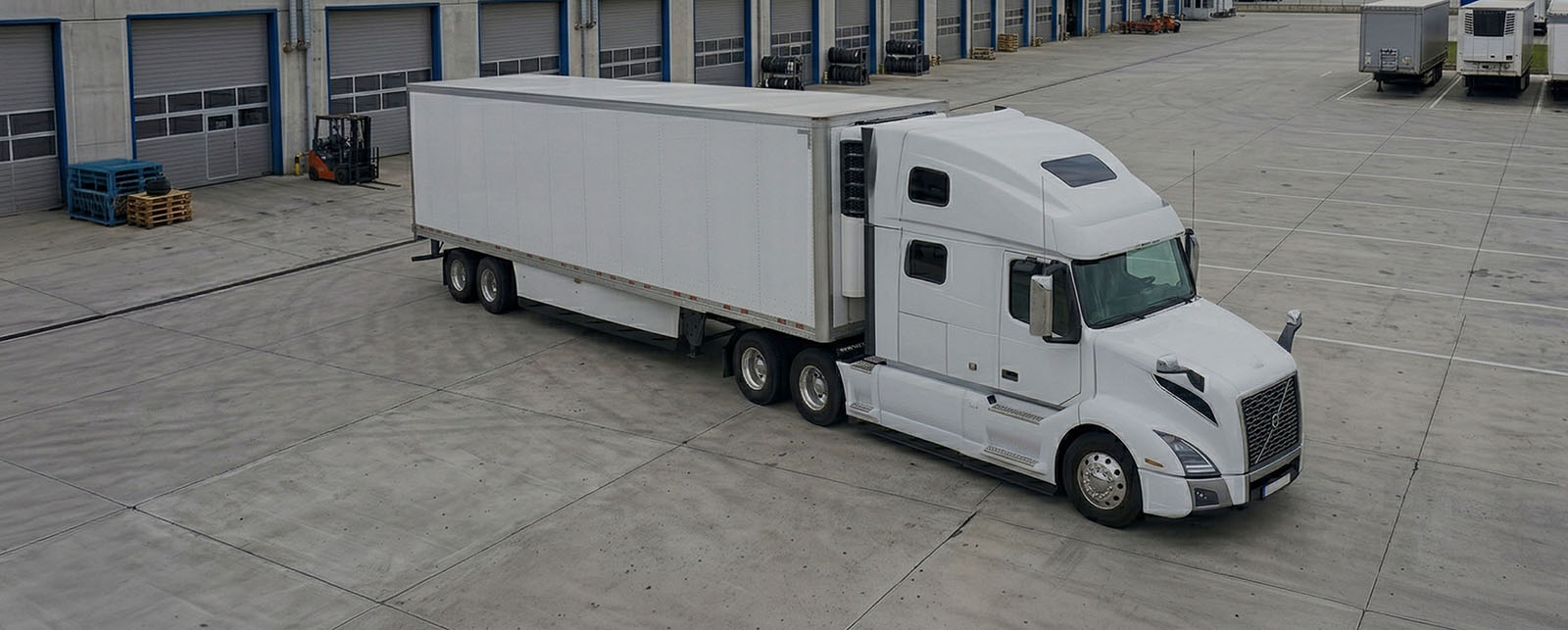
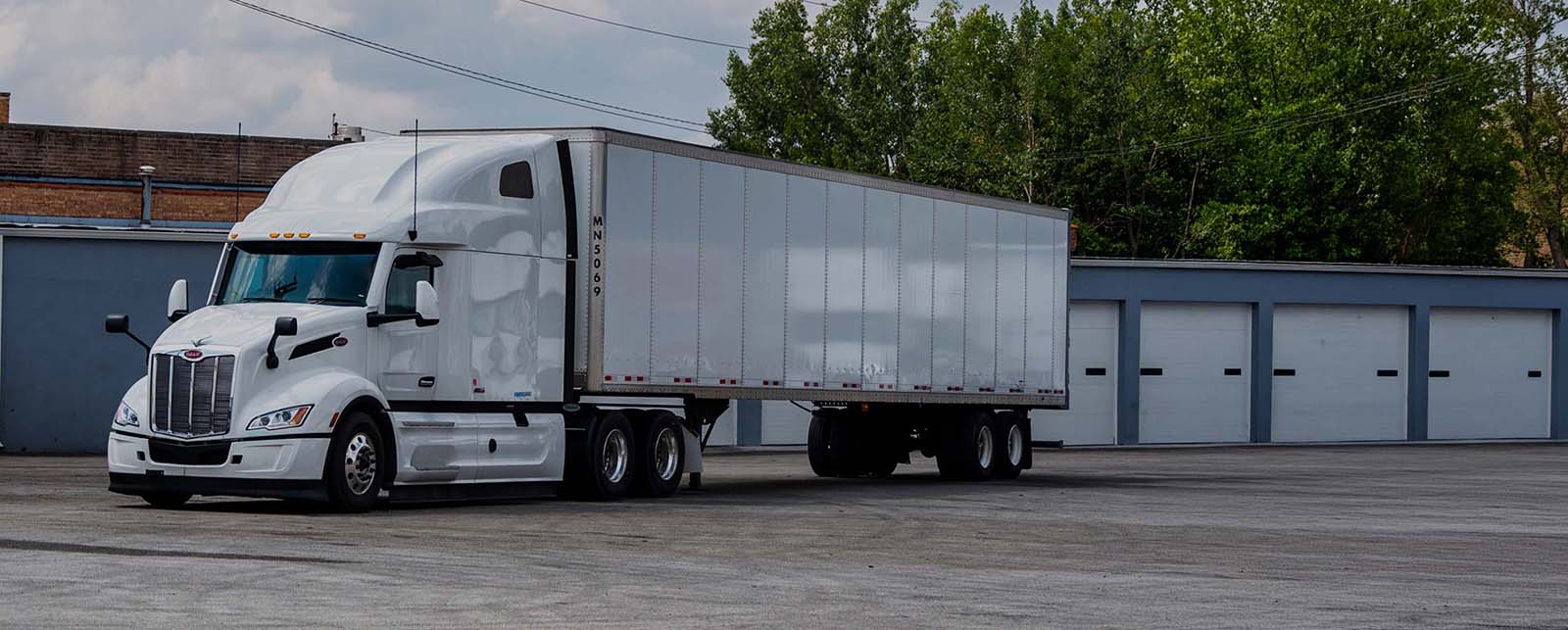
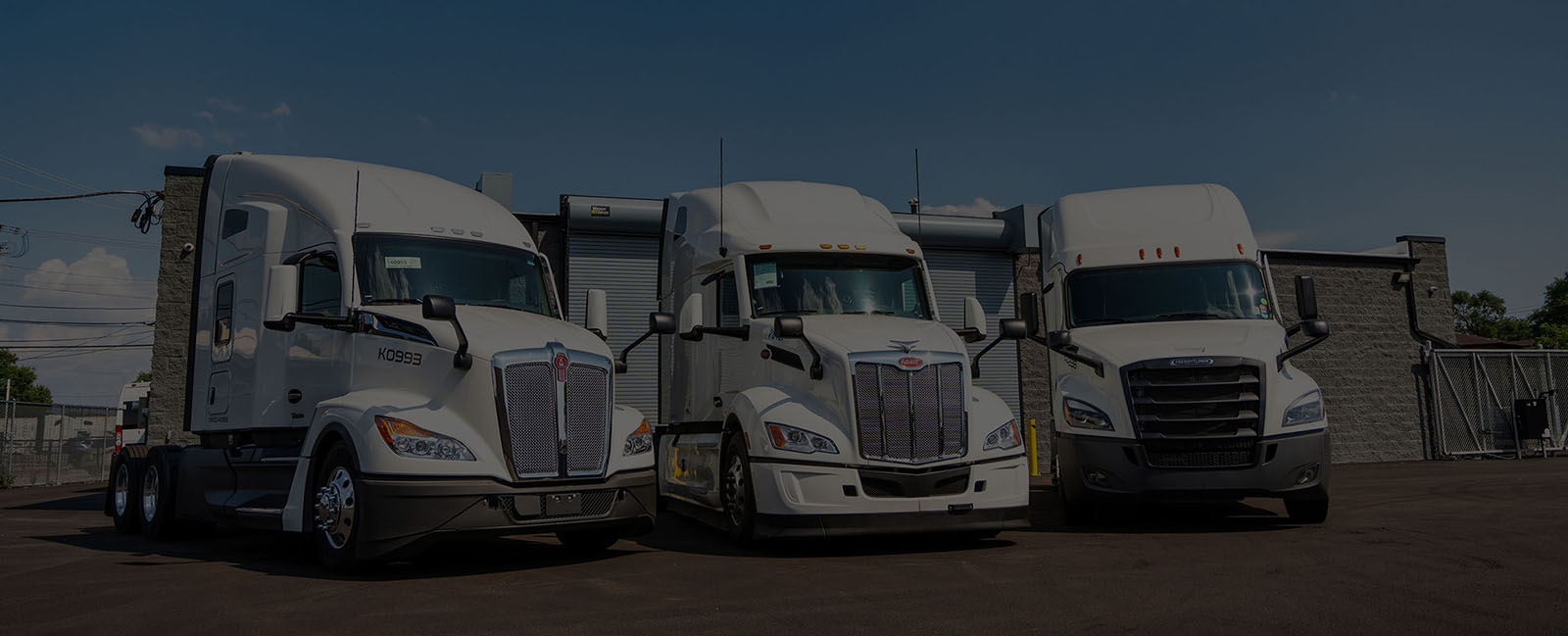
The truck you drive affects comfort, reliability, operating costs, and the overall experience of spending long hours on the road. Newer equipment can offer modern safety features and improved driver comfort, although maintenance history and proper servicing remain essential regardless of model year. Before joining a program, ask which truck models are available, what condition the equipment is in, and who is responsible for repairs and routine maintenance. You should also understand what happens if your truck becomes unavailable because of a mechanical problem. MN89 Inc. offers newer truck options, including models from recent model years. Availability can vary, so confirm the specific truck and its terms before making your decision.
5. Maintenance Support That Makes Sense
Maintenance is one of the biggest financial risks in trucking. A tire replacement, engine problem, or unexpected breakdown can quickly affect your weekly earnings and disrupt your schedule. A good trucking lease program clearly explains who pays for routine servicing, repairs, tires, and breakdownrelated expenses. It should also establish what happens when a truck needs to be taken off the road and whether any support is available during that period. Never assume that maintenance is included simply because a carrier offers a lease program. Read the agreement carefully, ask questions about repair responsibilities, and make sure you understand whether you need to maintain your own emergency reserve.
6. Quality Dispatch and Real Communication
Dispatch can make a major difference in how smoothly your week runs. A good dispatcher communicates clearly, understands delivery requirements, helps coordinate loads, and responds when plans change. Before choosing a carrier, ask how dispatch operates, whether support is available outside regular business hours, and how disagreements about loads or scheduling are handled. You want a team that treats you as a business partner rather than just a truck waiting for its next assignment. MN89 Inc. provides 24/7 dispatch support and a no-forced-dispatch approach. This combination helps drivers communicate with their team while maintaining a degree of control over the freight they accept.
7. Flexible Home Time
Your earning potential matters, but so does your life outside the truck. A program that makes it difficult to schedule time at home may not be the right fit, even if the advertised numbers look attractive. Ask how home time is requested, whether your preferred schedule can be accommodated, and how time off affects load planning and weekly earnings. Be realistic about the relationship between the number of days you work, the miles you drive, and your financial goals. The right arrangement should allow you to discuss your priorities openly and understand what is achievable based on freight availability and operational requirements.
8. Clear Weekly Settlements
Your settlement statement should show how your gross revenue becomes your final payment. You should be able to identify deductions, truck and trailer payments, applicable fees, and any other charges without having to guess where your money went. Weekly settlements can help drivers monitor cash flow and plan their expenses more effectively. However, the frequency of payment is only part of the picture; accuracy, transparency, and predictable processes matter just as much. At MN89 Inc., drivers receive weekly settlements, making it easier to review earnings and track expenses regularly. Always examine your settlement statements and ask for clarification when something does not look right.
9. Reasonable Exit Options
A lease agreement should explain not only how you start but also how you can leave. Before signing, find out what happens if your circumstances change, you can no longer drive, or you decide the arrangement is not right for you. Review notice requirements, outstanding balances, deposit conditions, equipment return procedures, and any fees or penalties associated with ending the agreement. If a program includes an option to walk away, understand the exact conditions under which that option applies. MN89 Inc. offers a walk-away lease structure, but the written agreement determines the applicable terms and obligations. Make sure you understand those details before committing.
Frequently Asked Questions
What makes a good trucking lease program?
A good program combines transparent contracts, manageable upfront costs, reliable freight, suitable equipment, clear maintenance responsibilities, dependable dispatch, and understandable payment terms. It should also explain home-time expectations and the conditions for ending the agreement.
Is a $0-down trucking lease always the best option?
Not necessarily. A $0-down arrangement can reduce the initial financial barrier, but drivers should compare weekly payments, deposits, insurance costs, maintenance responsibilities, and other deductions before deciding whether the overall offer is competitive.
What should I look for in a lease agreement?
Review the revenue split, payment schedule, operating expenses, insurance requirements, maintenance obligations, deposit rules, and termination conditions. Ask for written clarification of anything you do not understand before signing.
How important is freight availability in a lease program?
Freight availability is essential because it influences how consistently you can work and generate revenue. However, total mileage and gross revenue alone do not determine profitability; fuel, empty miles, operating expenses, and time spent waiting also matter.
Who pays for truck maintenance in a lease program?
Responsibility varies by agreement. Some arrangements require drivers to cover most maintenance costs, while others may provide specific support. Always confirm who pays for routine servicing, tires, major repairs, and breakdown-related expenses.
Can I choose my own loads as a lease driver?
That depends on the carrier’s dispatch policy and the terms of your agreement. Some programs require drivers to accept assigned loads, while others offer greater flexibility. Ask how load selection works before joining.
Can I leave a trucking lease program if it does not work for me?
Possibly, but your options depend on the written contract. Check notice requirements, outstanding payments, deposit conditions, and equipment return procedures. If the program advertises a walk-away option, confirm exactly what that means in practice.